Alright, let’s get real. Nursing isn’t some neat, step-by-step thing. It’s messy, exhausting, and yeah… kinda scary at first. You can go to a nursing program in Florida and memorize anatomy charts all day, but the skills that actually matter come when you’re in a room with a real patient freaking out, monitors beeping, and five things screaming for your attention. The short version? You learn to think fast, stay calm, and get stuff done even when nothing makes sense.

Thinking on Your Feet
One thing you’ll notice immediately—patients don’t follow instructions. Ever. You can’t just open a textbook and say, “Aha, this works.” Nursing school forces you to assess, prioritize, and act quickly. Case studies, simulations, group exercises—they throw you into situations that make your heart race. And yeah, sometimes it feels unfair or stupid. But by the end? You just know what to do, without thinking too hard.
Hands-On Stuff
Then there’s the actual hands-on stuff. IVs, injections, vitals, wound care… all the things people think nurses “just do.” Spoiler: it’s harder than it looks. First, you practice on mannequins, then on patients. You mess up a little, you learn. Repeat. By the time you graduate, your hands almost move on autopilot while your brain keeps track of everything else. It’s weirdly satisfying when that clicks.
Talking, Listening, and Not Sounding Like a Robot
Communication is huge. You’ll talk to doctors, patients, families, techs… and it’s not just about words. Tone matters, timing matters, knowing when to push or pull back… that stuff comes with practice. The top nursing programs in the US focus on it because they know bedside manner isn’t optional. It can literally save someone’s life. You pick up on things people don’t even say. Little cues. The small stuff makes a big difference.
Time Management (Or Surviving Chaos)
Let me tell you, nothing prepares you for the chaos of a nursing shift. One patient goes bad, another needs meds, and charts are everywhere. You’ll learn to prioritize, stay organized, and keep moving without panicking. Sounds boring on paper, but in reality? It’s life or death. Organization isn’t just helpful—it’s survival.
Getting Emotionally Tough
Here’s the part that hits hard. Nursing is emotional work. You see pain, frustration, death, and hope all at once. A nursing program in Florida doesn’t just teach physical care—they prep you for the emotional side too. Grief, stress, burnout… You learn to deal with it while still showing up for your patients. Resilience isn’t in a lecture. You earn it in the wards.

Teamwork or You Fail
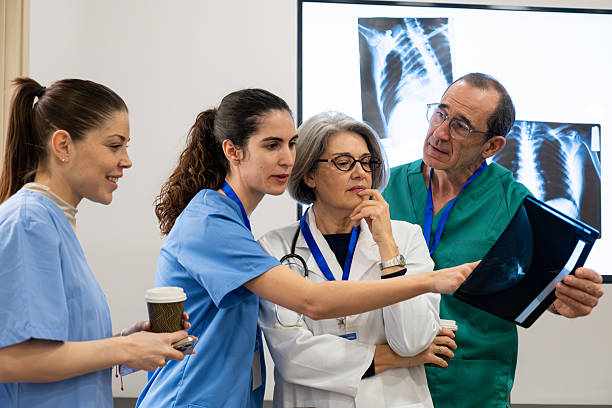
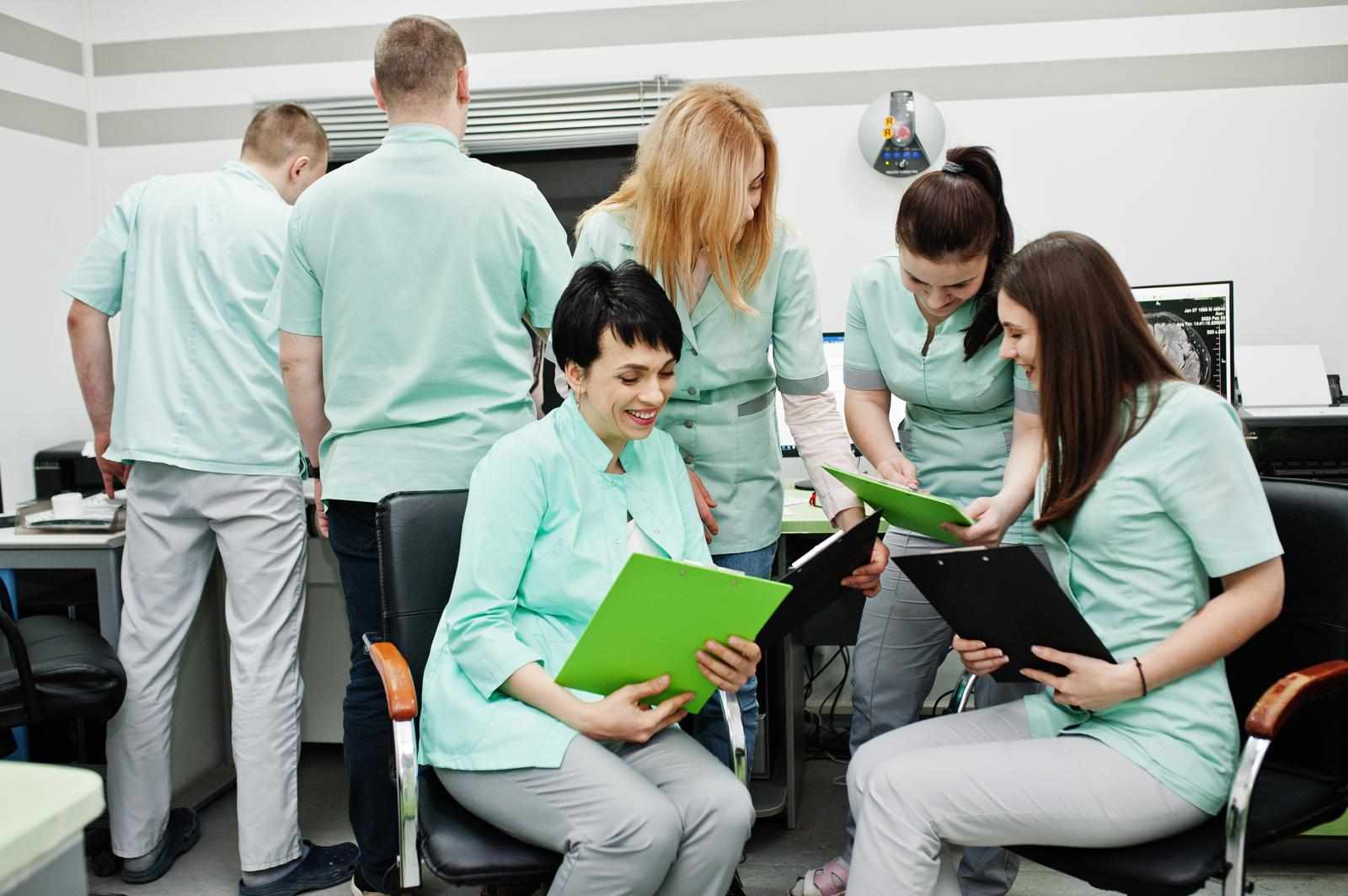
Nursing isn’t a solo gig. You’re part of a team, and sometimes that team is chaos itself. Programs make you collaborate in rounds, projects, and rotations. You learn to trust, to speak up, to share responsibility. Knowing your stuff isn’t enough. If the team falls apart, the patient suffers. Simple as that.
Rolling With the Unexpected
Nothing goes as planned. Machines break, patients crash, orders change at the last minute. You adapt. You improvise. You react without panicking. That’s why the top nursing programs in the US push adaptability hard. You’ll do simulations that feel real enough to make your stomach flip. After a while, reacting instinctively becomes second nature.
Ethics, Professionalism, and Standing Up
Then there’s the moral stuff. Patients’ rights, consent, tricky end-of-life questions… It’s heavy. A nursing program in Florida makes you wrestle with these early. You learn the rules, the law, the ethics, and how to speak up when something feels wrong. Professionalism isn’t just about scrubs and a name tag. It’s about doing what’s right, even when it’s uncomfortable.
Conclusion: More Than a Degree
So yeah, nursing school is tough. Brutal, sometimes. But the skills you walk away with? They stick. You think fast, communicate better, manage chaos, handle emotions, work in a team, adapt, and make ethical choices. A nursing program in Florida or one of the top nursing programs in US, it doesn’t matter—they prepare you for the real world. Nursing isn’t easy. But if you survive it, you’re smarter, tougher, and ready to actually make a difference. And honestly? That’s why it’s worth it.












Write a comment ...