
Nursing school has never really had the reputation of being easy. Long study hours. Clinical rotations. Thick textbooks that somehow keep getting thicker. Anyone who has looked into the profession already knows this. Still, more people are choosing nursing every year, and the way they study it is changing too.
A lot of students today are looking for options that actually fit around real life. Jobs, family responsibilities, bills, those things don’t disappear just because someone decides to go back to school. That’s where programs like an online nursing school in Florida come into the picture. Not right away obvious to everyone, but once you look at how they work, the appeal becomes clearer. It’s not about making nursing education easier. It’s more about making it possible. And that difference matters more than people think.
Flexibility That Actually Works for Adults
Let’s start with the obvious part, time. Traditional nursing programs usually run on a tight schedule. Morning lectures, afternoon labs, fixed attendance rules. Great if you're a full-time student with no other responsibilities. Not so great if you’re working or raising kids or both. Online programs loosen that structure a bit.
Students can log into lectures when their day allows it. Maybe early morning before work. Maybe late at night, after the house gets quiet. Some people study during lunch breaks. Others on weekends. It’s messy sometimes, but that’s real life anyway.
And to be clear, the coursework isn’t lighter. Nursing programs don’t work that way. The material is still dense, clinical skills still have to be learned, and exams still matter. The difference is that the schedule bends a little instead of snapping. For a lot of adults, that’s the only reason they’re able to start nursing school at all.
You Don’t Have to Move Across the Country
Here’s something people underestimate. In the past, if the nursing college near you had limited seats, which happens a lot, your options were simple. Wait another year or move somewhere else. Moving sounds exciting in theory. In reality, it’s expensive and complicated. Rent, relocation, leaving jobs behind, finding childcare again… it becomes a whole project.
Online nursing programs cut through a big part of that problem. Students can study from home while completing required clinical training at approved healthcare facilities closer to where they live. So instead of uprooting their lives, they adjust their study routine. It might sound like a small shift. But financially and emotionally, it’s huge.
Saving Money in Ways People Don’t Expect
Tuition always gets the spotlight when people talk about college costs. Fair enough. It’s usually the biggest number on the page. But the hidden costs of campus learning are everywhere. Transportation. Fuel. Parking passes. Student housing. Food on campus. Physical textbooks that somehow cost more than they should. Add all that up for two or three years, and the amount gets uncomfortable.
Studying online removes many of those expenses. Students stay where they are. Commutes disappear. A lot of course material is digital now, so fewer books need to be purchased. Is nursing school cheap because of that? No. Let’s be realistic. But it becomes a bit more manageable. And for students already working part-time or full-time, that matters.
Learning Without the Pressure of a Lecture Hall
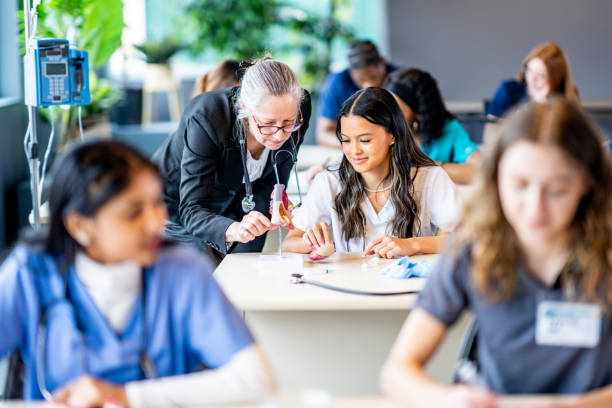
Not everyone learns the same way. Some people thrive in big classrooms. Others… not really. Picture a lecture hall with fifty students and a fast-moving professor explaining pharmacology. If you miss a detail, the class keeps moving anyway. There’s rarely time to pause and rewind. Online learning quietly fixes that problem.
Recorded lectures can be replayed. Notes can be taken slowly. If a concept doesn’t make sense the first time, students go back and review it again. No awkward moment of asking the instructor to repeat something three times.
Nursing subjects can get complicated, anatomy alone can overwhelm people early on. Being able to revisit material helps students actually absorb it instead of just memorizing it for an exam. It’s a calmer way to learn. Still challenging, just… calmer.
Comfort With Digital Healthcare Systems
Hospitals today run on software more than people realize. Patient records are digital. Medication charts are digital. Appointment systems, internal communication tools, diagnostic reports — all online. Nurses interact with these systems constantly during their shifts. So studying through an online program accidentally builds a useful skill set.
Students get used to navigating digital platforms, submitting assignments electronically, managing virtual collaboration, and attending online discussions. It sounds simple, but it builds confidence with technology. And when graduates enter hospitals or clinics, that familiarity carries over. They’re already comfortable working in digital environments. Which, honestly, healthcare employers appreciate.

Building Discipline and Self-Motivation
Here’s the part people don’t talk about enough. Online learning demands personal discipline. There’s no professor standing at the front of a classroom reminding everyone about deadlines. Students have to manage their own study schedules, keep track of coursework, and stay consistent even when life gets busy.
At first, that sounds intimidating. But it actually builds a strong habit of self-management. Nurses rely on that skill in real hospital settings, too. They handle patient care responsibilities, manage multiple tasks, and make quick decisions without someone constantly directing them. So the independent students develop during online study… it mirrors the professional environment more than people might expect.
Connections and Career Opportunities Still Exist
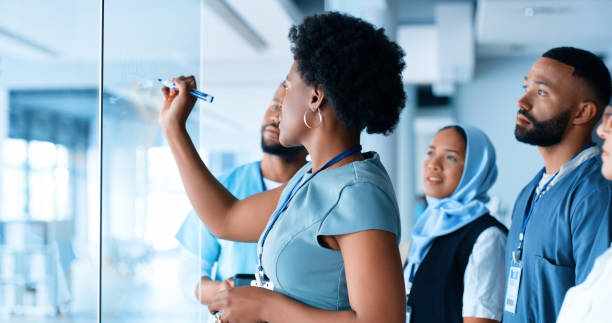
Some people assume studying online means learning alone. No networking, no connections, no career guidance. That’s not really accurate anymore. Most programs now include discussion forums, group assignments, virtual office hours, and mentorship support. Students interact with instructors and classmates regularly, just through screens instead of classrooms.
And clinical rotations still happen in healthcare environments. That’s where many students build relationships with supervisors, nurses, and hospital staff. Graduates from online programs often move into the same career paths as students from traditional schools. Hospitals focus more on licensing, training, and practical competence.
In many cases, the academic standards line up with what you’d expect from the best nursing colleges in the USA, which means students graduate with strong preparation and real opportunities.
Conclusion
The idea of studying nursing online used to sound unusual. Maybe even questionable to some people. But education evolves. Healthcare training evolves, too. Programs offered through an online nursing school in Florida show how nursing education can adapt to modern life without lowering expectations. Students still study complex medical subjects. They still complete clinical training. They still earn professional credentials.
What changes is the structure. Flexible schedules, reduced relocation costs, digital learning tools, and accessible education paths make nursing school possible for people who might otherwise delay it for years.







Write a comment ...